



The Challenge
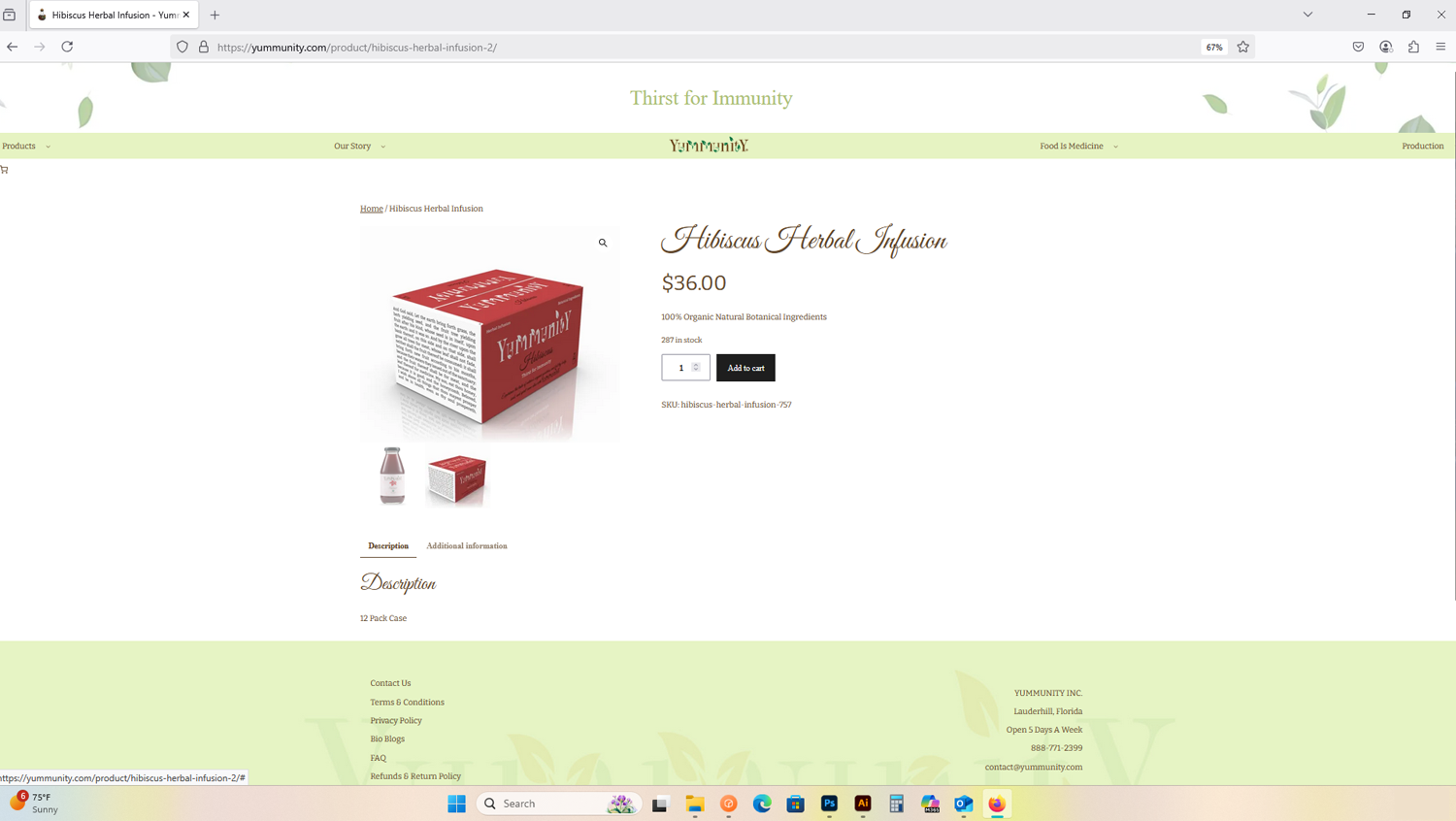
When Yummunity prepared to release three new flavors, they faced a common retail hurdle: extensive production delays and long lead times. Waiting for physical manufacturing samples to take traditional product photography can derail marketing schedules, break tight launch timelines, and stall crucial conversations with corporate buyers. Yummunity needed high-quality, brand-accurate imagery immediately to secure pre-orders, update their e-commerce website, and equip their sales team.
The Solution
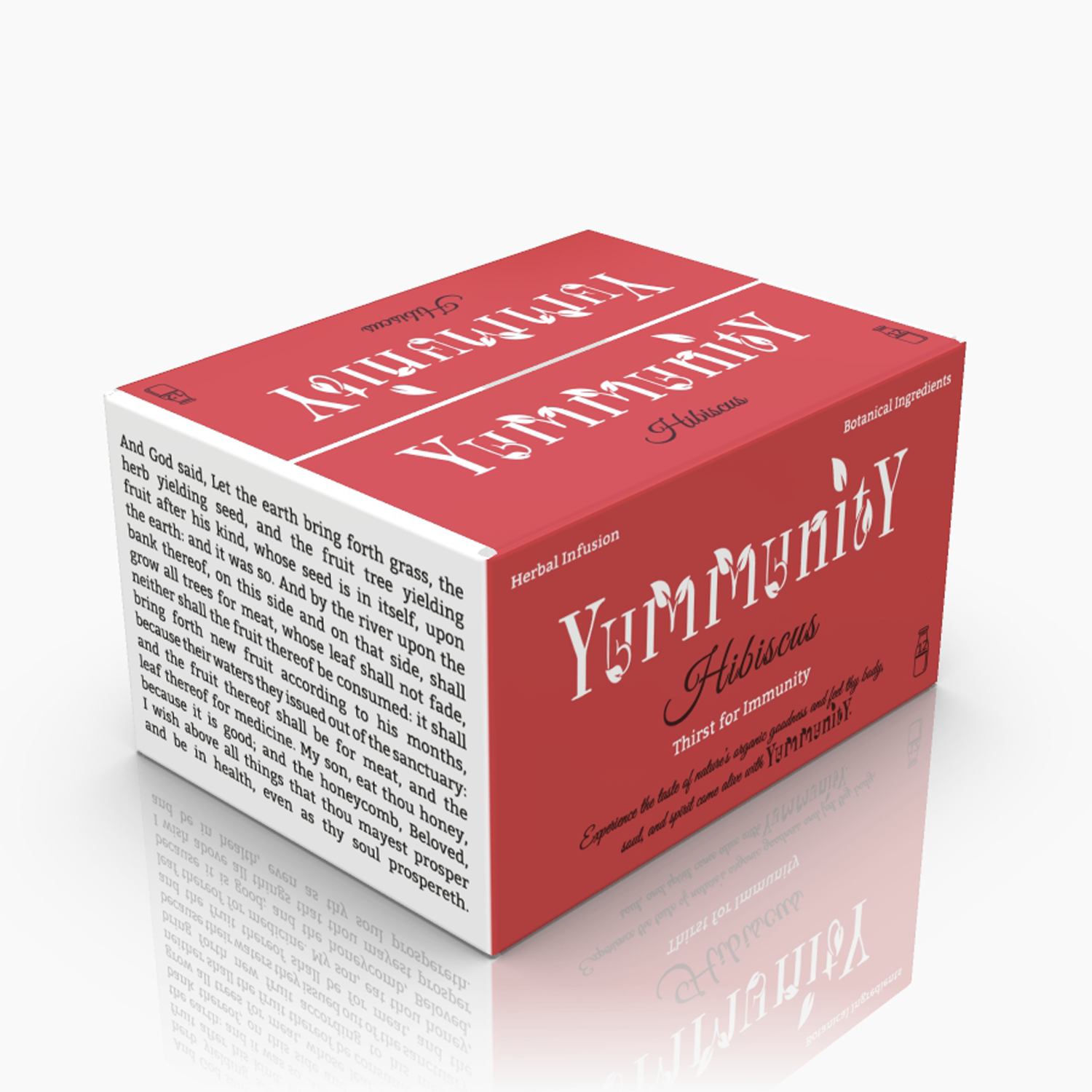
We bypassed these typical time-to-market constraints entirely by creating production-accurate 3D rendered images of the new case packs. While competitors are stuck waiting on physical factory samples, Yummunity was able to launch high-fidelity digital assets instantly.
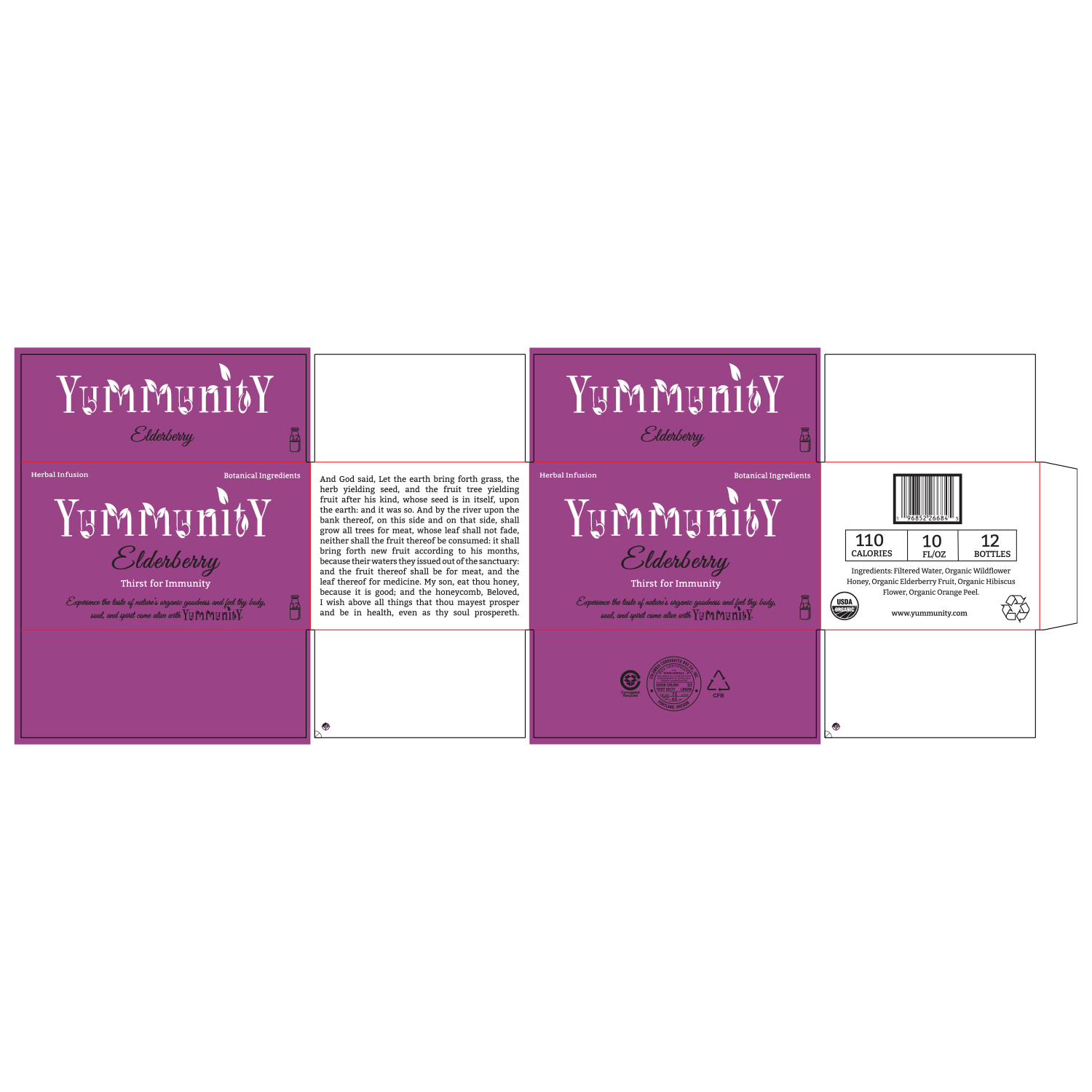
We took the structural blueprint of an RSC (Regular Slotted Container) engineered with high-strength 32C ECT corrugated stock—an everyday, reliable go-to shipping box rather than an ornate unboxing experience—and transformed it into a powerful selling tool. By engineering the dieline first and applying three distinct artwork files, we provided assets that accelerated sales velocity before the physical boxes were even printed.
1. Speed to Market & Pre-Launch Sales
Instant Digital Assets: High-fidelity 3D renders allow brands to get imagery onto their e-commerce websites and into marketing materials weeks before production finishes.
Competitive Edge: Yummunity could confidently present finished, retail-ready case packs to buyers and secure distribution promises while competitors were still waiting on mockups.
2. Consistency & Shelf Shop-ability
Perfect Alignment: All three new flavors are displayed at the exact same digital angle with identical lighting, creating a cohesive, professional brand family.
The Power of Color: Precise color management drives consumer shop-ability. We ensured that the final 3D renders mathematically matched the flat artwork's Pantone colors to maintain strict brand standards.
Lifelike Accuracy: The rendering process bridges the gap between a flat vector dieline and a physical object, giving buyers a realistic look at how the inventory will look in a warehouse or on a retail floor.